

AI-powered budget tracker with voice input, receipt scanning
4.8(6)11StartupsBusiness & Finance
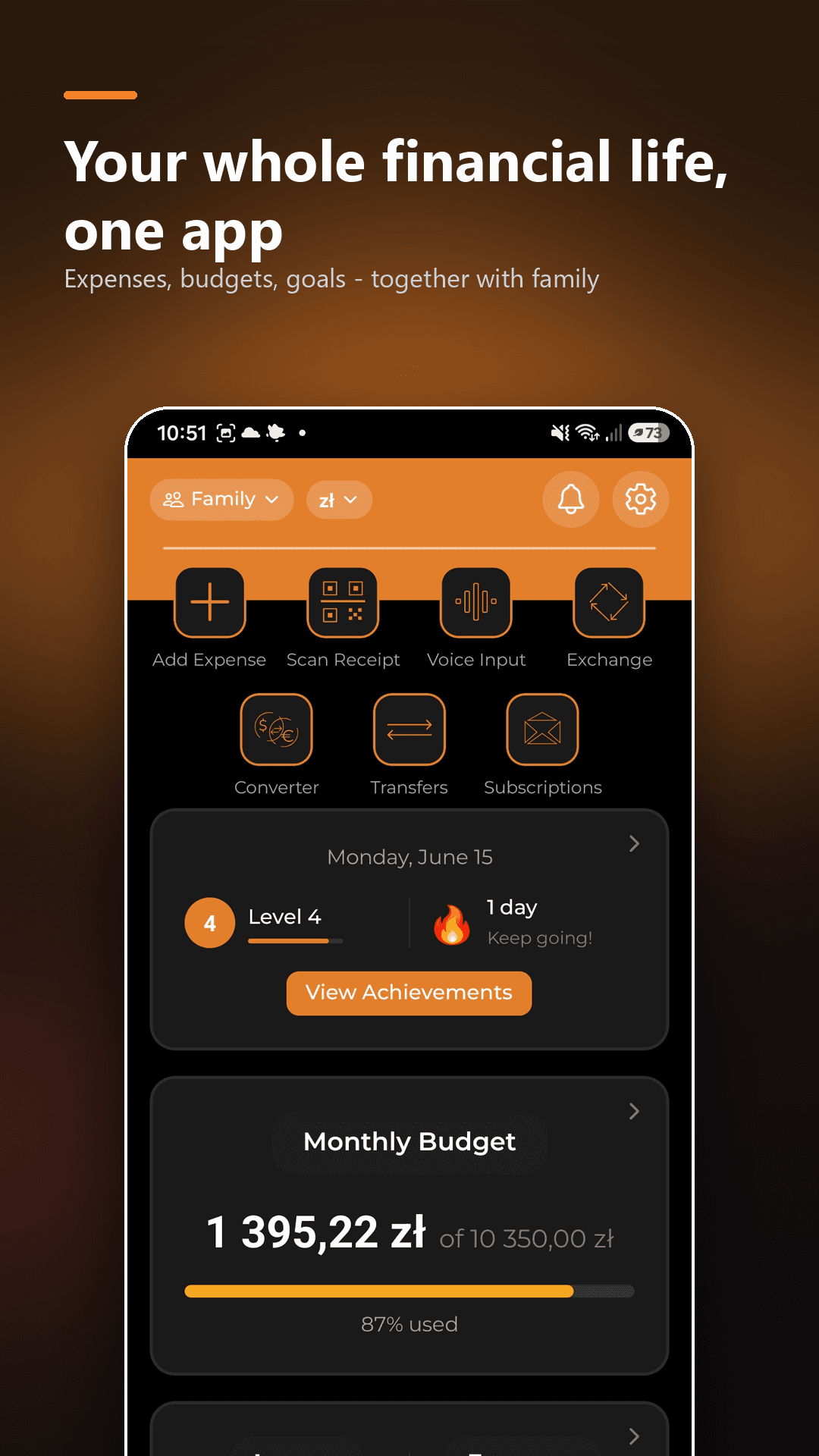
AI Budget Assistant is a personal finance app for iOS, Android, and web that makes everyday budgeting effortless — no spreadsheets, no manual data entry, no friction.
The problem: Most budgeting apps demand constant manual input, which is exactly why people abandon them within weeks. AI Budget Assistant removes that friction by letting AI do the heavy lifting.
How it works:
6 ratings

AI video with native sound, paid per clip. Nothing stored.

A calmer Mac menu bar, one click away.

Enterprise Software. Intelligent Automation. Global Impact.


Comments
11Maker of FolderMD, a free Mac app for reading AI-written markdown.
Voice input plus receipt scanning is a practical combination for people who abandon budget trackers after a week of manual entry. One thing I would want clarity on: how are receipts processed, and does any financial data leave the device? That detail usually decides whether someone trusts a finance app with real use.
Voice input plus receipt scanning tackles the exact reason most people abandon budget trackers — manual entry. The family budget sharing and offline-first sync are also strong touches for a household app. One question on privacy: since you mention end-to-end encryption, can the bank-sync data from providers like Revolut or Wise be excluded from cloud backup entirely for users who want a fully local setup? That would be a big differentiator for privacy-conscious users.
With bank import, receipt scanning and offline voice entry in the same workflow, duplicate expenses seem possible when a pending bank transaction later syncs. Could you expose a suggested match before merging a receipt with the bank record, while keeping the receipt item details? A reversible merge would make household reconciliation easier to trust.
Love the voice input, that's the fastest way to log expenses I've seen. Does it support importing past transactions from a bank statement or CSV, so you don't start from zero?
Voice input plus receipt scanning covers the two moments people actually abandon a budget app: typing in a purchase, and filing a stack of receipts later. It would be useful to know whether recurring subscriptions get categorized differently from one-off purchases, since that's usually where monthly spending creeps up unnoticed.
The friction point you identified is real - manual entry is the main reason budgeting apps get abandoned within weeks. Voice input is a smart wedge. Curious how you handle privacy around mic access, and whether receipt scanning works with non-English receipts? For international users that is often the dealbreaker.
Voice input plus receipt scanning covers the two moments people actually abandon budget apps — typing in a purchase and reconciling later. How do you handle receipts from non-English stores or handwritten notes, since OCR tends to fall apart there?
Saying what you spent, or photographing a receipt, is the part that stops a budget app from being abandoned after a week of typing. Offline-first matters in a shop with a bad signal. For a shared household budget, it would help to see who logged each expense, otherwise missing entries turn into guesswork. The bank import list looks Europe-heavy, so it is worth stating which countries sync today.
With Wise and Revolut on the bank list, a lot of your users will spend in several currencies. Does it keep the original currency and amount alongside the converted one, at that day's rate? Otherwise a trip abroad makes the monthly totals hard to reconcile later.
Voice input for spend logging attacks the right friction point — manual entry is where budgeting apps lose people. Does receipt scanning reconcile against voice-logged entries, or do they run as separate tracks?
Maker of CalcQuarry – free construction & landscaping calculators that show the math
Voice input and receipt scanning attack the real reason budget apps die: manual entry. The offline-first plus E2E encryption combo is rare in this space. How does categorization handle cash purchases, where most trackers quietly lose accuracy after week two?